

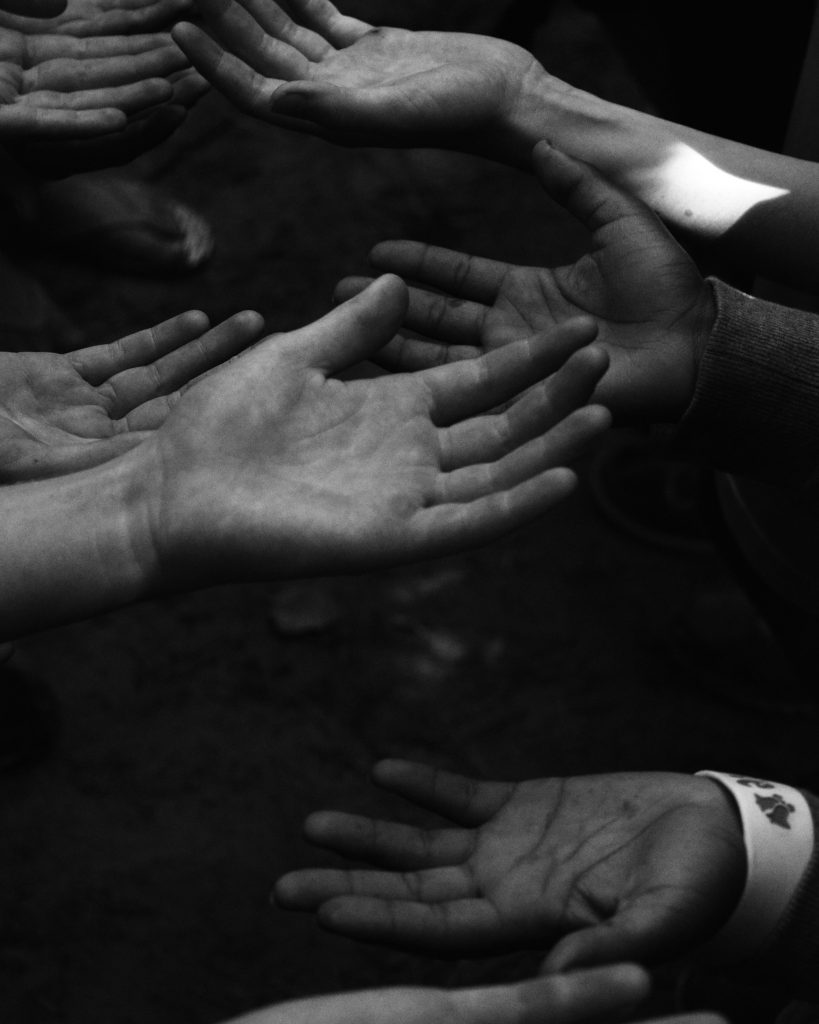
“The condition of man…is a condition of war of everyone against everyone.”
Thomas Hobbes
A World At War
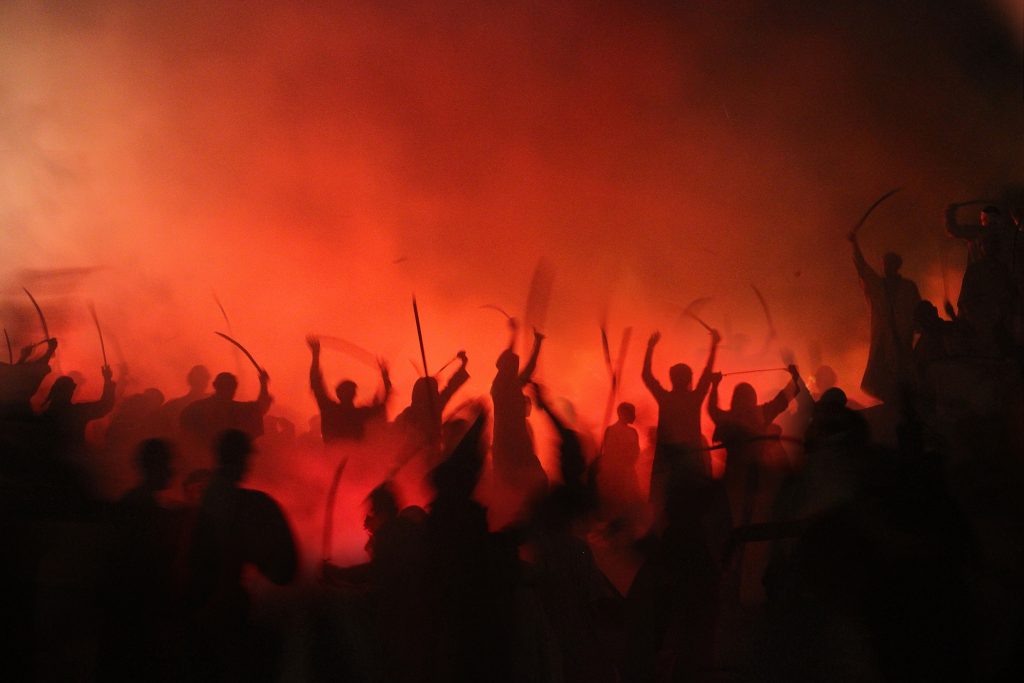
If there is one thing we can all agree on, it is that we are living in a climate of conflict. Debates are raging, battle lines are being drawn, and it feels as though we are being split apart in what seems like a struggle for survival. This struggle isn’t limited to us human beings; the very earth we inhabit, and all its living organisms are at risk, as conflict rages in nation and biosphere alike. The plain truth is that we are at war, with each other, with the earth, and with ourselves.
Our current context is moving more and more towards a polarisation, wherever we turn. This action of dividing ourselves into groups based on our opinions or beliefs sets us against each other, without realising that it will take all of us to work collectively to solve the problems we face. All the current issues we face as human beings, like climate change, excessive consumption, water scarcity, and so on, are global in nature and cannot be solved without a global mindset. However, the discourse that we see reflected in media, in political debates, religious activism and economics, are all based on narrow frame works of thought.
For example, the discourse that assumes GDP as a desirable metric simply disregards the Gaia theory, and the concept of spiritual progress. Political discourse professes concern about issues like poverty, but says nothing about the collusion among the elites in maintaining the status quo.
The average activist/aware person is often caught in these discourses, without having the wherewithal to understand the assumptions he/she is reinforcing. By not being aware of how we ourselves feed into this polarisation, we become part of the problem albeit desperately hoping to be part of the solution.
The Universal Soldier Must Resist

Whether we like it or not, we are all being conscripted into someone else’s war. Just bring up a hot topic like our political situation, religious practices or Feminism at a dinner, and see how quickly the situation devolves into a shouting match. The maxim “If you’re not with us, you’re against us” creates opponents on a battlefield instead of creating real grounds for resolution.
No army can be created if the ordinary person does not let himself/herself get “conned” by the “leaders”. All real progress comes out of the refusal of the common person to go along with these destructive processes. It is therefore of the utmost importance that we free ourselves of our dependence on external authorities and start assuming the authority and responsibility for our own choices. This is the first step. That’s the step that we took when Gandhiji leveraged Satyagraha. That’s the step we need to take today.
In the spirit of radical change, Ritambhara offers Sadbhavana, an immersion into our selves and the lenses through which we view our world.
A Space to Reflect
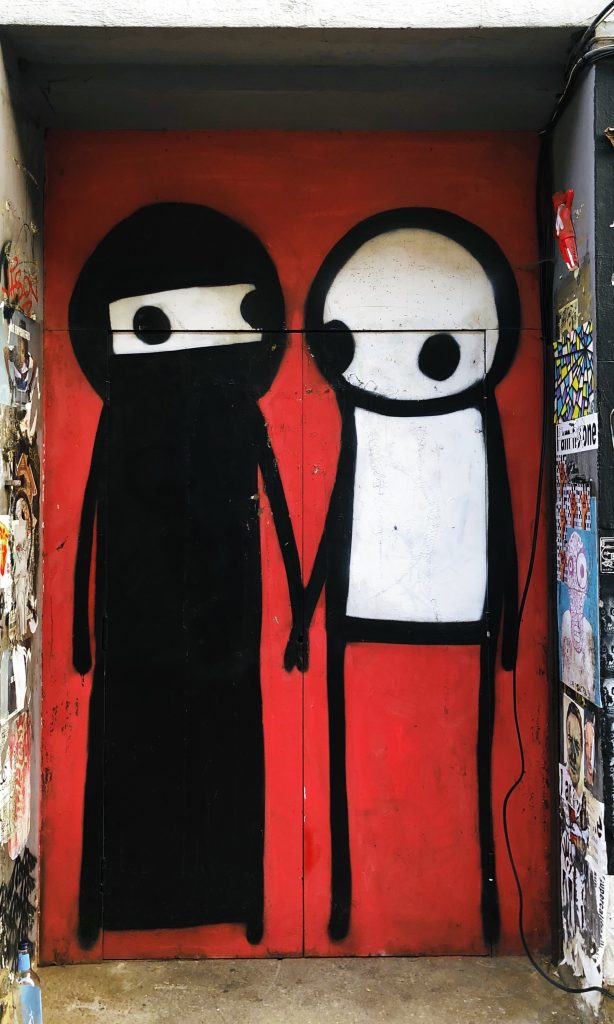
Sadbhavana literally means a friendly attitude towards all people. By extension it means extending a hand of friendship to people who are different from one’s self. The program is a 5 day immersion, held at Ritambhara Ashram with facilitators Raghu Ananthanarayanan, George Kunnath, and Minaxi Mathur.
Sadbhavana offers us the opportunity to reflect; What is it in us that has been hurt, that seeks to hurt? The world and its people are hungry for love, and true love is rarely found among people. So many of the problems and crisis we experience stem from absence of love. The pain that people experience in their lives is the pain of not being loved. Instead of loving we hurt each other. In George Kunnath’s words, “Sadbhavana is an attempt to look deeper into our woundedness that somehow drives our lives.”
The facilitators of this programme have worked with a huge variety of people in intensive labs. They have explored religion, spiritualism, organisation dynamics and the dynamics of the dispossessed and deprived. They have a profound understanding of the processes they are facilitating from an inside-out, as well as an outside-in location.
As Raghu Ananthanarayanan explains, “People ought to be aware that the world is confronting a crisis. The concern about the world and the fact that almost all the solutions we have available today have failed us would help participants come to the programme prepared to explore alternatives with a fresh mind.”
A Brave New World

Unlike the politicians and the populist leaders, the facilitators of Sadbhavana do not profess to have solutions. “We believe that the understanding of dialogue and the understanding of how to reflect upon one’s own approach to political and social reality will enhance one’s ability to take forward the search in meaningful ways. An insight into our woundedness both individual and collective may help us to open ourselves for a new approach to life.”
A new approach that takes into account the fact that despite our differences, we all share a common humanity. An approach that stems from the understanding that all life is sacred, whatever form it might take. An approach that draws strength from collaboration and not competition in our quest to solve the problems ahead.
In the words of Martin Luther King Jr,
“I refuse to accept the view that mankind is so tragically bound to the starless midnight of racism and war, that the bright daybreak of peace and brotherhood can never become a reality… I believe that unarmed truth and unconditional love will have the final word.”
If you would like to participate in Sadbhavana, write to us at ashram.ritambhara.org or contact Naveen Vasudevan at naveen.ritambhara@gmail.com
 Anoop is a student of Yoga, an entrepreneur, a coach and a father of two young boys. He has led successful leadership stints in both the corporate and non-for-profit sectors. On encountering the country’s water/farmer crises at close quarters, he decided to pause and examine the impact various ‘isms’ – capitalism, colonialism, etc., were having on us as individuals, families, the society and the environment at large. This quest led him to formally engage with traditional Indic knowledge systems while also learning from the latest advances in science – about our physical and mental wellbeing, importance of body and mind work in healing trauma and the urgent need for a conscious rebuilding of family / work / social structures if we have to thrive individually and collectively. Insights, frameworks and processes gleaned from these on-going studies, an anchorage in his own personal practice and his wide-ranging experiences is what Anoop brings to facilitation/coaching spaces in Ritambhara and his various professional engagements.
 Priya is a Yoga therapist in the Krishnamacharya tradition. She adapts Reiki & energy work, Vedic chanting, life coaching & Ayurvedic practices in her healing spaces. She is committed to nurturing collectives that have the praxis of Yoga at their heart.
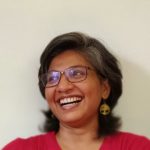 Anisha has been on an exploration to understand herself through yoga for the last 15years which led her to teaching yoga, yoga therapy and inner work through yoga.
 Apoorva chanced upon Yoga in her early 20s. A spark was lit within and there was no turning back. Her exploration led her to the Krishnamacharya tradition more than a decade ago. Curious about human behaviour and what drives it, she was thrilled when her search ended (and also began) when she first came upon the Yoga Sutra, which illuminated a path towards answering many questions that had been held for a long time.
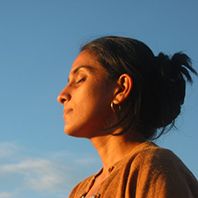 Anita is a yoga teacher and therapist in the tradition of Sri.T.Krishnamacarya and Sri T.K.V. Desikachar, a Reiki practitioner and a Life Coach. She is also the founder of Vishoka, a center for learning Indic and energy-based frameworks for living and healing. Her deep concern for human suffering and the problems of unsustainable living kept her on the path of seeking an integrated approach to looking at life, living, learning and healing.
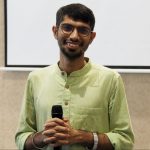 Ankit is a seeker in the wisdom traditions of India. The core of his work includes creating dialogic spaces where people can look within and see the connection between their inner and outer lives. Inspired by the likes of Gandhi, Aurobindo, Vivekananda and Guru Gobind his experiments in service took him back to his roots in Punjab where he is creating a community-led model of higher education which is open, inclusive and accessible for all. Ritambhara for him is a space for engaging in a community which is committed to a DHramic life. He anchors his work of learning and leadership in the Antaranga Yoga Sadhana and the humanistic wisdom of Mahabharata.